Water Damage Restoration
Cleanup and repair planning for interiors affected by unwanted water, including drying, damaged-material assessment, and preparation for restoration.
Serving Long Beach, California & surrounding areas
Get standing water removed and damp areas dried before moisture spreads farther through your property.
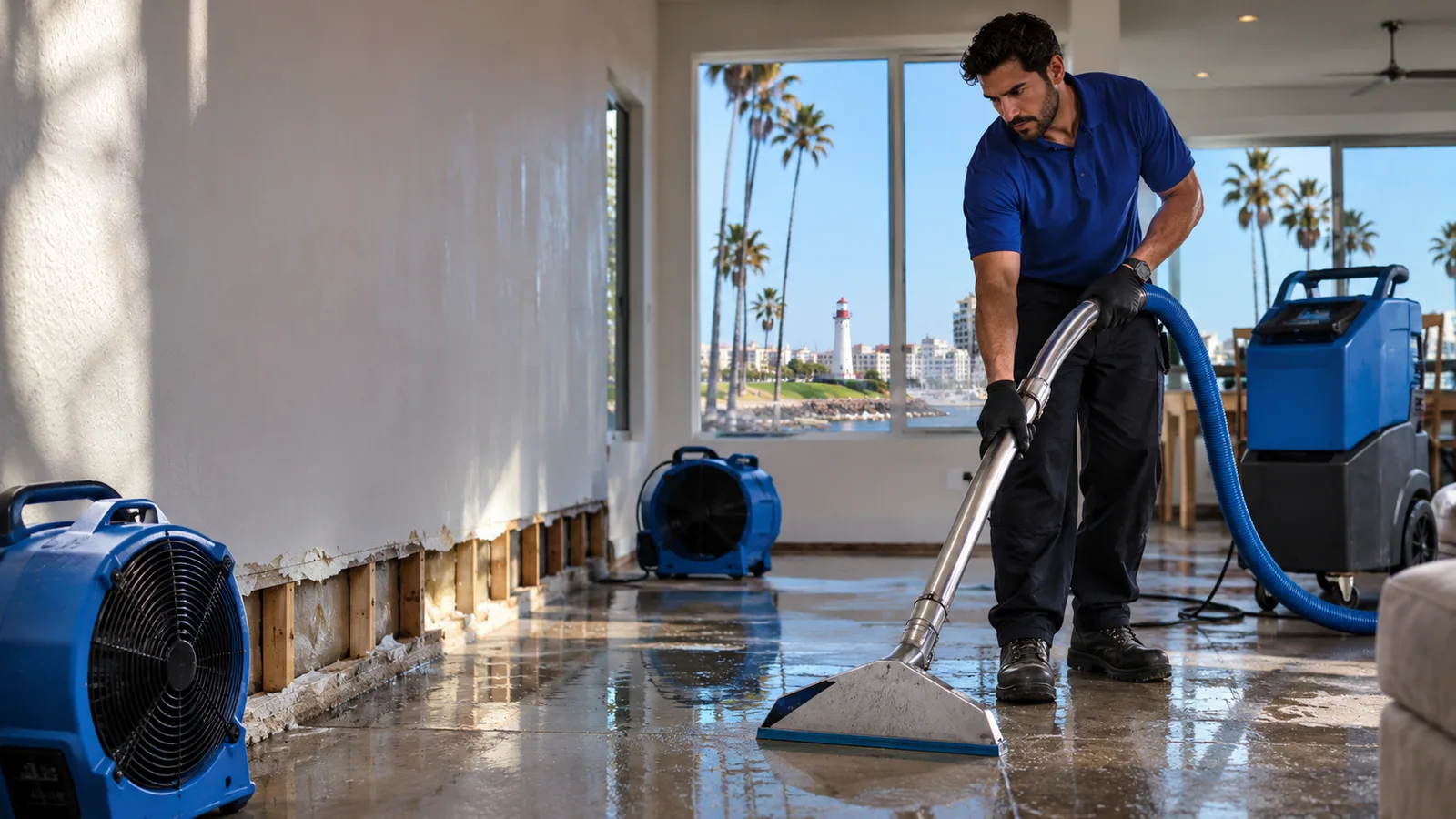
Long Beach flooding can leave water beneath flooring, inside wall cavities, and around cabinets even after the visible water is gone. Flood Damage Long Beach CA provides cleanup and restoration for affected properties in Long Beach, California.
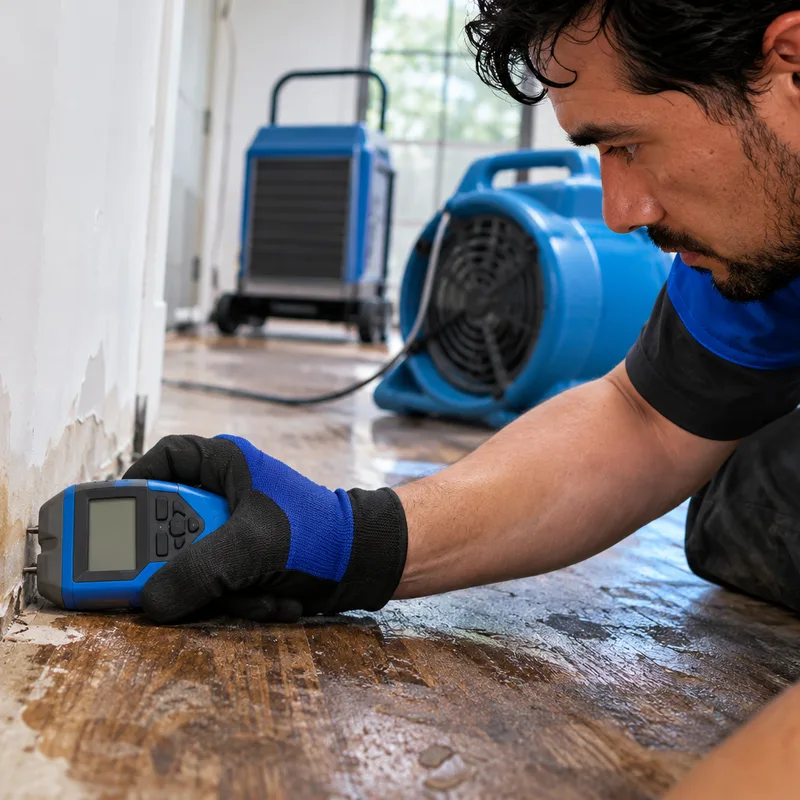
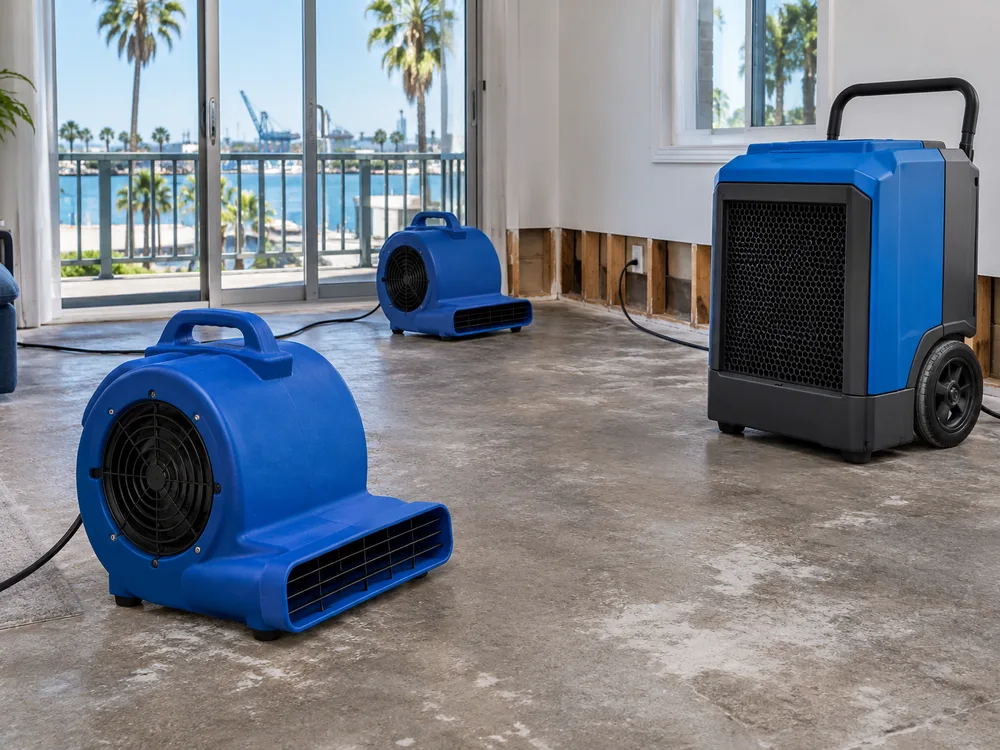
The first priorities are finding the water source, addressing immediate hazards, and removing standing water. The affected area can then be inspected for porous materials that may need removal, while salvageable structural components are dried with commercial air movers and dehumidifiers. Moisture meters help track conditions that cannot be judged by sight alone.
Flooding in Long Beach CA can follow heavy rain, drainage problems, plumbing failures, appliance leaks, or water entering a low area of a building. Fast action limits how long drywall, wood, insulation, and flooring remain wet. It also creates a clearer record of the affected rooms, materials, and work required.
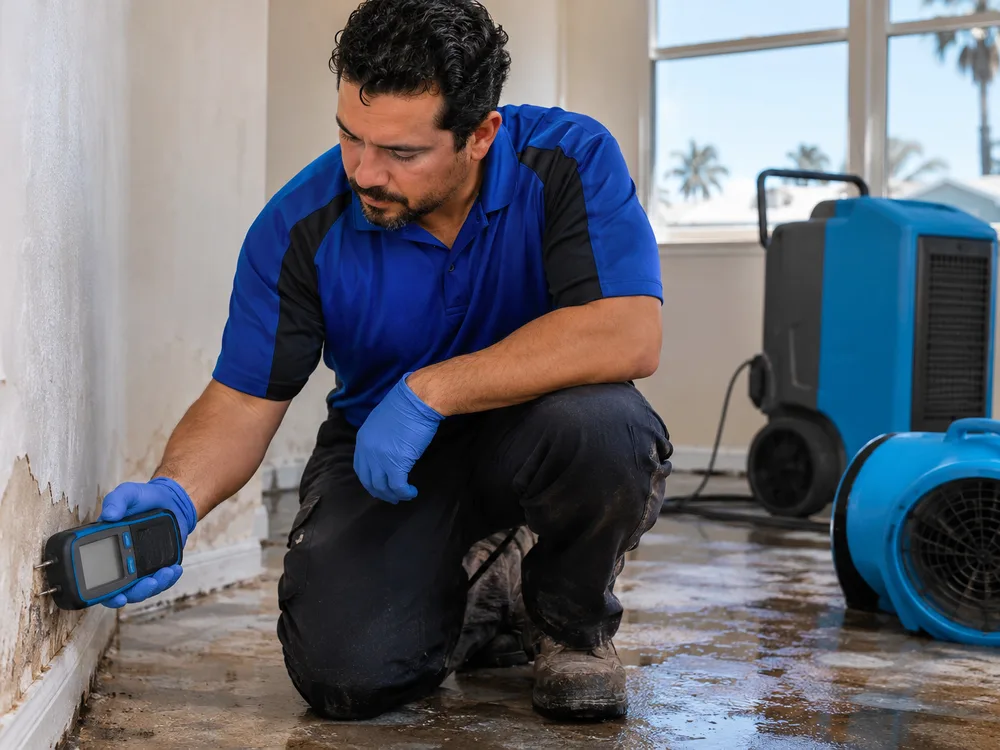
Cleanup and repair planning for interiors affected by unwanted water, including drying, damaged-material assessment, and preparation for restoration.
Property-focused help for leaks, overflows, and water intrusion affecting floors, walls, ceilings, cabinets, and other building materials.
Removal of standing water with extraction equipment, followed by an assessment of moisture remaining in structural materials.
Targeted extraction for saturated carpet, hard flooring, and other accessible wet areas before structural drying begins.
Controlled cleanup of water-affected areas, including material evaluation, removal where appropriate, cleaning, and drying.
Immediate measures that limit continued water movement and reduce further damage to building materials and belongings.
Extraction removes accessible water from floors, carpet, and low areas. This reduces continued absorption into drywall, trim, subflooring, cabinets, and other materials that can hold moisture after a flood.
Moisture readings help identify damp materials beyond the visible waterline. Checking wall bases, flooring assemblies, and nearby rooms provides a more useful picture of where drying or selective removal is needed.
Air movers and dehumidifiers support evaporation and collect moisture from the air. Equipment placement depends on room layout, affected materials, and moisture readings taken as drying progresses.
Drywall, insulation, carpet pad, engineered wood, and cabinetry respond differently to water. Each affected material should be evaluated for contamination, swelling, delamination, and whether practical drying remains possible.
A clear scope identifies affected rooms, visible damage, moisture conditions, proposed removal, and drying needs. This gives property owners a practical basis for discussing repairs and insurance documentation.
Flood Damage Long Beach CA provides flooding cleanup and restoration in Long Beach, California.
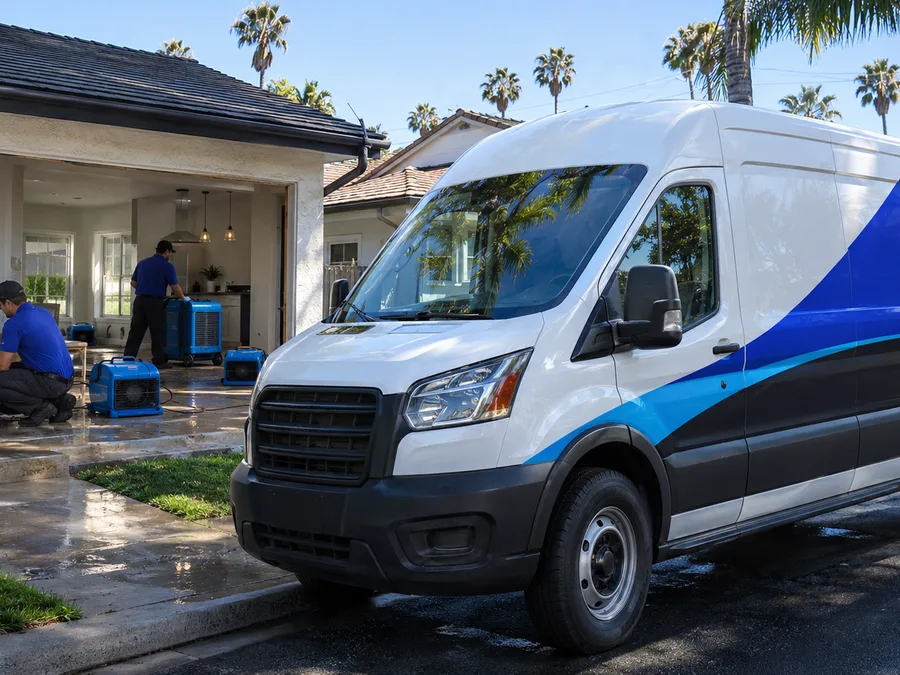
The work is based on the actual conditions inside the property. That means locating affected areas, removing accessible water, checking moisture in building materials, and developing a drying and cleanup plan suited to the loss. Property owners receive a clearer view of what is wet, what may be saved, and what may require removal.
Local properties range from older homes and duplexes to apartments, condominiums, and commercial spaces. Access, shared walls, raised foundations, slab construction, and multi-unit layouts can all change how water moves and how equipment is placed. Careful inspection matters because water may travel beyond the room where it first appeared.
Flood cleanup in Long Beach typically costs about $1,500 to $7,500, while a limited clean-water extraction may cost under $1,500 and extensive contaminated flooding can exceed $10,000.
Final pricing depends on water category, affected square footage, standing-water depth, time since the loss, material removal, equipment needs, access, and required cleaning. Repairs such as new drywall or flooring may be separate from mitigation. Insurance coverage depends on the cause and policy terms. The exact cost is confirmed after an on-site inspection.
Early mitigation (within 24 - 48 hours) prevents secondary damage like mold, warping, and structural issues that can triple restoration costs.
Most homeowner policies cover sudden pipe bursts and appliance failures. Flood insurance is separate and required for rising groundwater or weather events. Your adjuster reviews the loss to confirm covered damages.
The affected rooms, water source, visible damage, safety concerns, and likely water category are reviewed before cleanup begins.
Extraction equipment removes accessible water so the team can better evaluate saturated flooring, walls, cabinets, and contents.
Materials that cannot be safely or practically dried are identified and removed as appropriate for the conditions.
Air movement and dehumidification are planned around the materials, room arrangement, and moisture levels found during inspection.
Readings are checked during drying to determine whether affected structural materials are progressing toward an acceptable dry condition.
Once cleanup and drying are complete, the remaining repair needs can be documented and planned.
Early extraction and moisture assessment can keep water from remaining hidden beneath finishes and inside building assemblies.
Call Now (562) 337-3505Flood Damage Long Beach CA works throughout Long Beach, including established residential districts, coastal neighborhoods, and areas with multi-unit housing.
Homes and apartments near the coast may have tight access, shared walls, and limited equipment staging space during interior flood cleanup.
Waterfront homes and properties on compact lots require careful inspection of lower-level rooms, flooring assemblies, cabinets, and built-in finishes after water intrusion.
Established homes in this area can contain varied flooring, wall finishes, and foundation types that affect moisture inspection and structural drying plans.
Older homes, duplexes, and small multi-unit properties may allow water to move through wall cavities, raised-floor assemblies, or adjoining rooms.
Condominiums, apartments, and mixed-use buildings can involve shared walls, common areas, elevators, and access limits that shape cleanup planning.
Larger residential floor plans can spread water into adjoining rooms, closets, cabinets, and flooring before the full extent is visible.
Extraction, inspection, and controlled drying are matched to conditions inside the property.
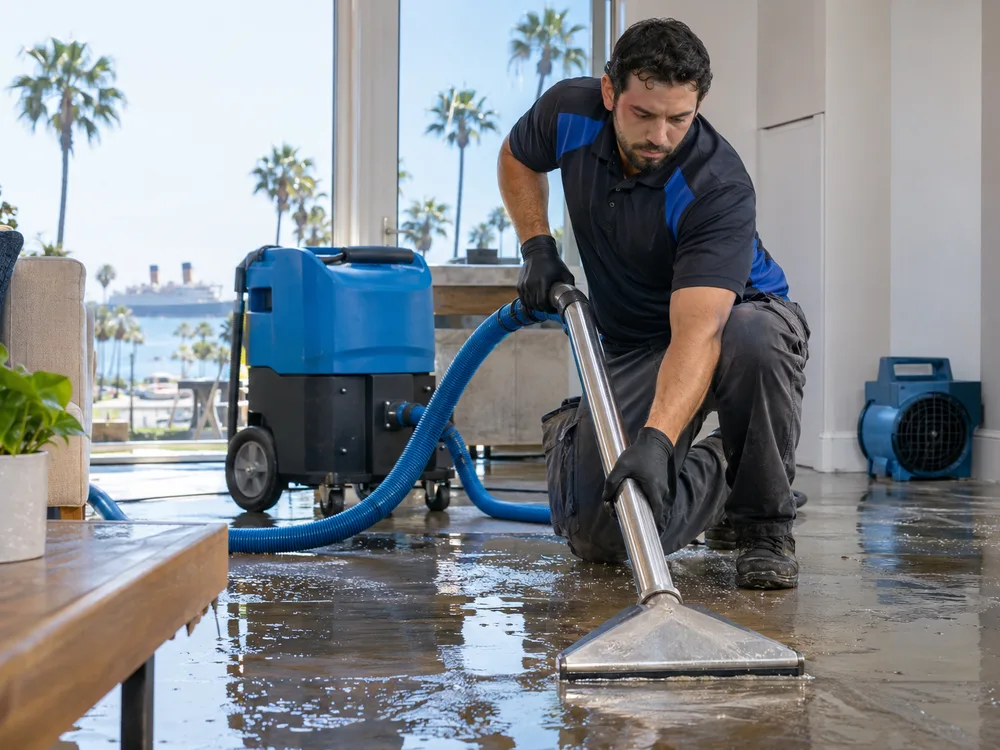
Arrange an assessment as soon as the property is safe to enter. Drywall, insulation, wood products, carpet pad, and cabinets can continue absorbing water after standing water is removed.
Avoid entering areas with electrical hazards, contaminated water, unstable ceilings, or slippery flooring. If it is safe, stop the water source and take photos without disturbing wet materials.
Yes, the assessment can cover all visibly affected rooms and nearby areas where water may have traveled. Moisture checks are particularly useful around shared walls, hallways, closets, and adjoining flooring.
Yes, flood cleanup can be planned for apartments, condominiums, and other multi-unit properties. Building access, shared assemblies, common areas, and property-management requirements should be considered before equipment and removal work begin.
No, removal depends on the material, water category, exposure time, physical damage, and whether effective drying is practical. Moisture readings and direct inspection support that decision.
No. Long Beach Island commonly refers to the barrier island in New Jersey, while this business serves Long Beach, California. The listed neighborhoods on this page are within Long Beach, CA.
Describe the water source, affected rooms, when the flooding began, and whether standing water remains. Photos and access details can also help prepare for the on-site inspection.
Explain what happened and which areas are affected. Flood Damage Long Beach CA can assess the conditions and outline the extraction, cleanup, and drying work the property requires.